Pre-Connectorized FTTH Cable vs Field Termination: Which Saves More Installation Time?
If the cable route, length and connector interface are already confirmed, a pre-connectorized FTTH cable usually saves more time on site. The installer routes the cable, checks and cleans the interfaces, connects it and performs the required test.
Field termination takes longer because cable preparation and connector or splice work happen at the installation point. It remains the more practical option when route length is uncertain, the pulling path is too narrow for a connector, or technicians need to make changes during the job.
Short answer: use pre-connectorized cable for surveyed, repeatable FTTH drops. Keep field termination for variable routes, restricted ducts, repairs and projects where final lengths cannot be fixed before installation.
What is the practical difference?
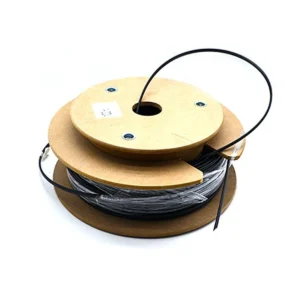
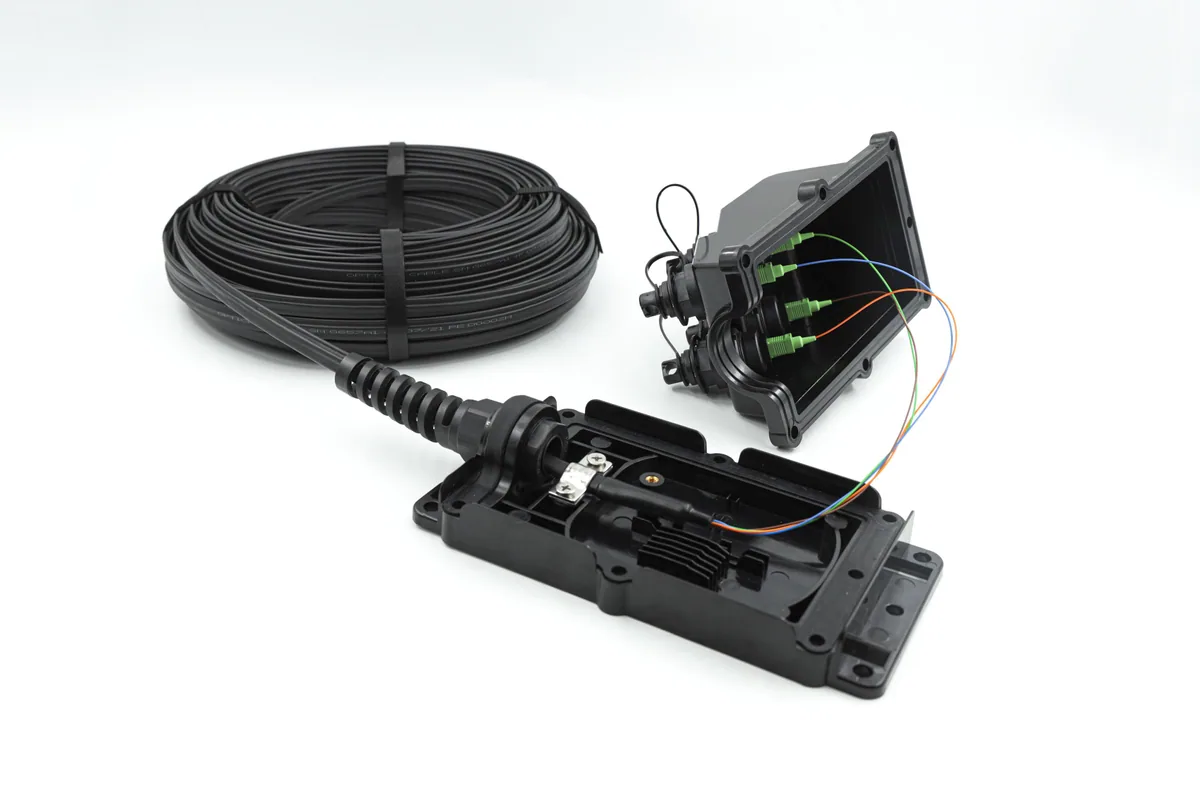
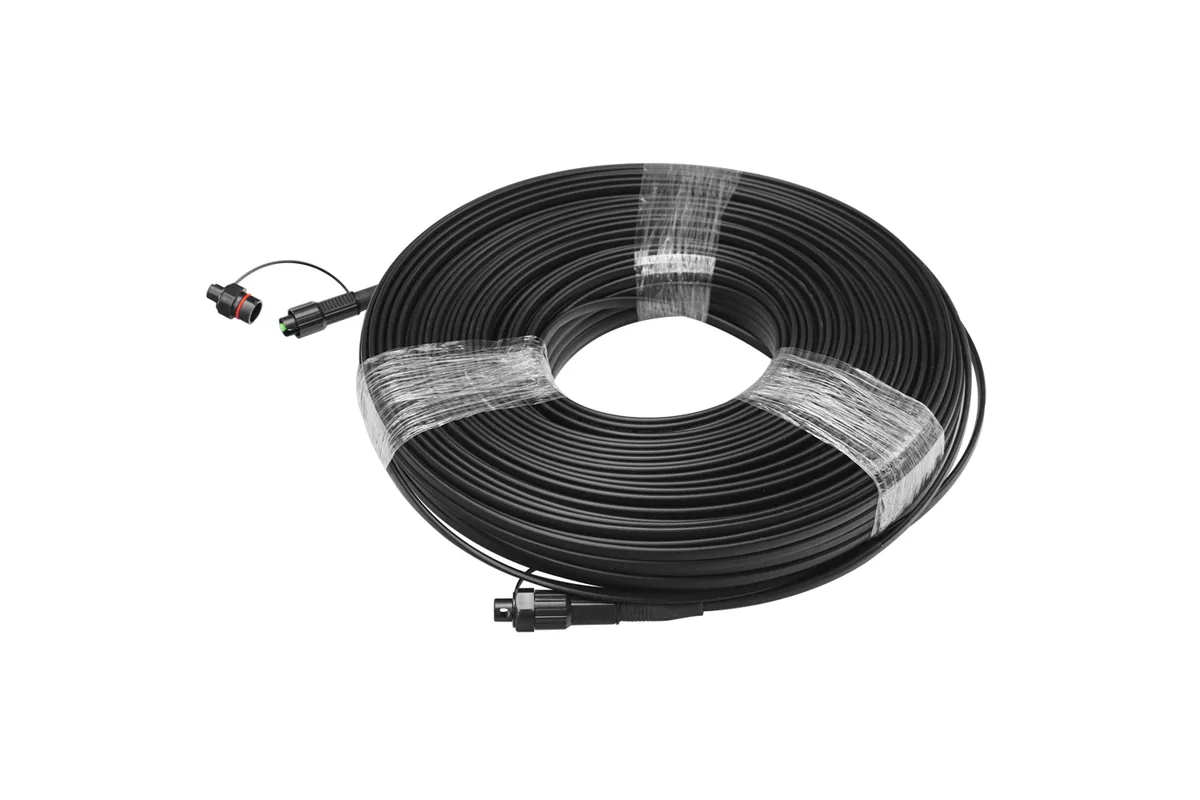
A pre-connectorized cable assembly is cut and terminated before it reaches the site. Depending on the design, it may use a conventional indoor connector, a protected pulling end or a hardened outdoor connector. The exact cable and connector must match the terminal, adapter and installation environment.
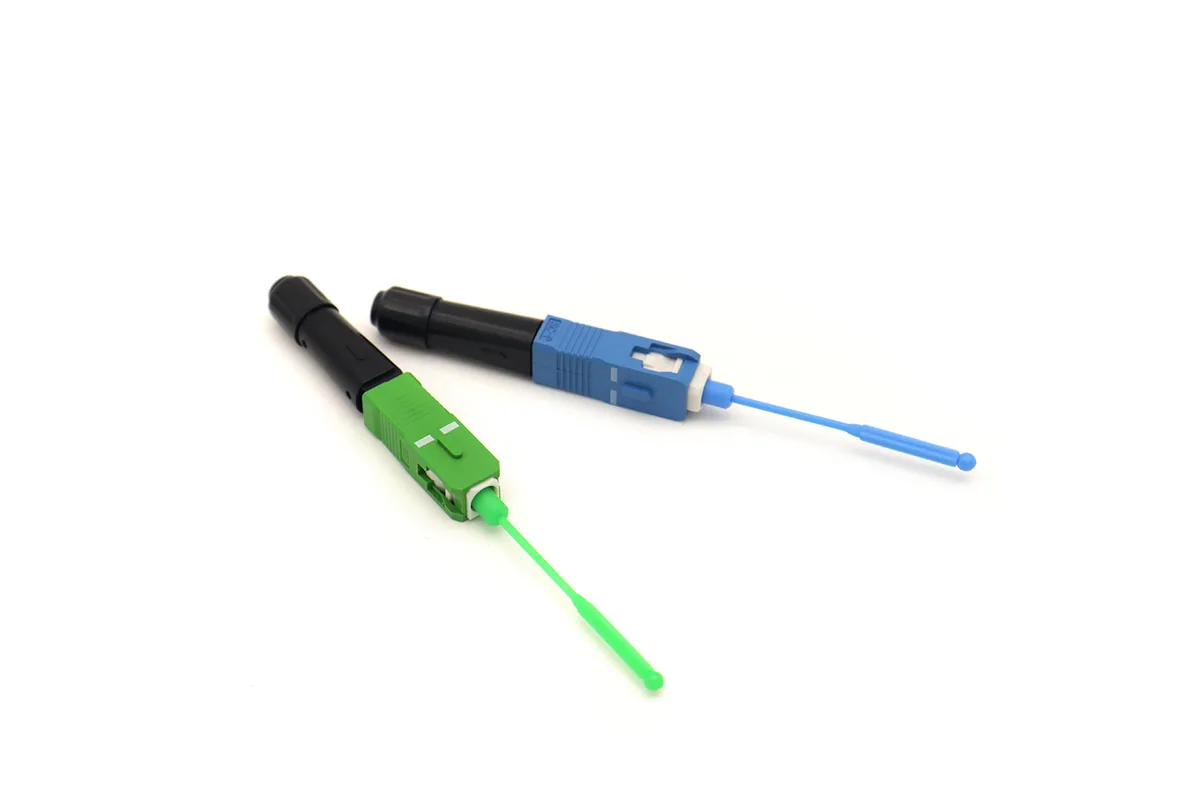
With field termination, the installer pulls unterminated cable first and prepares the final connection on site. This may involve fusion-splicing a pigtail or installing a field-installable connector. These are different processes, but both add preparation, termination and verification work.
Where pre-connectorized FTTH cable saves time
The biggest saving comes from removing termination work from the field. The site team normally avoids stripping fiber, cleaving, splicing or assembling a connector at every drop point. It also carries fewer termination tools and consumables.
That benefit becomes more important when a contractor must activate many similar homes in a short period. A repeatable cable list lets technicians spend more of the day routing and connecting, instead of preparing individual fiber ends.
When the time saving can disappear
Preconnection only works quickly when planning is accurate. A wrong cable length, incompatible interface or missing accessory can stop the installation rather than speed it up.
Buyers should check four points before ordering:
- surveyed route length, including service loops and routing allowance;
- connector type, polish and terminal compatibility;
- cable construction and installation environment;
- pulling path, bend limits and the space available for the connector body.
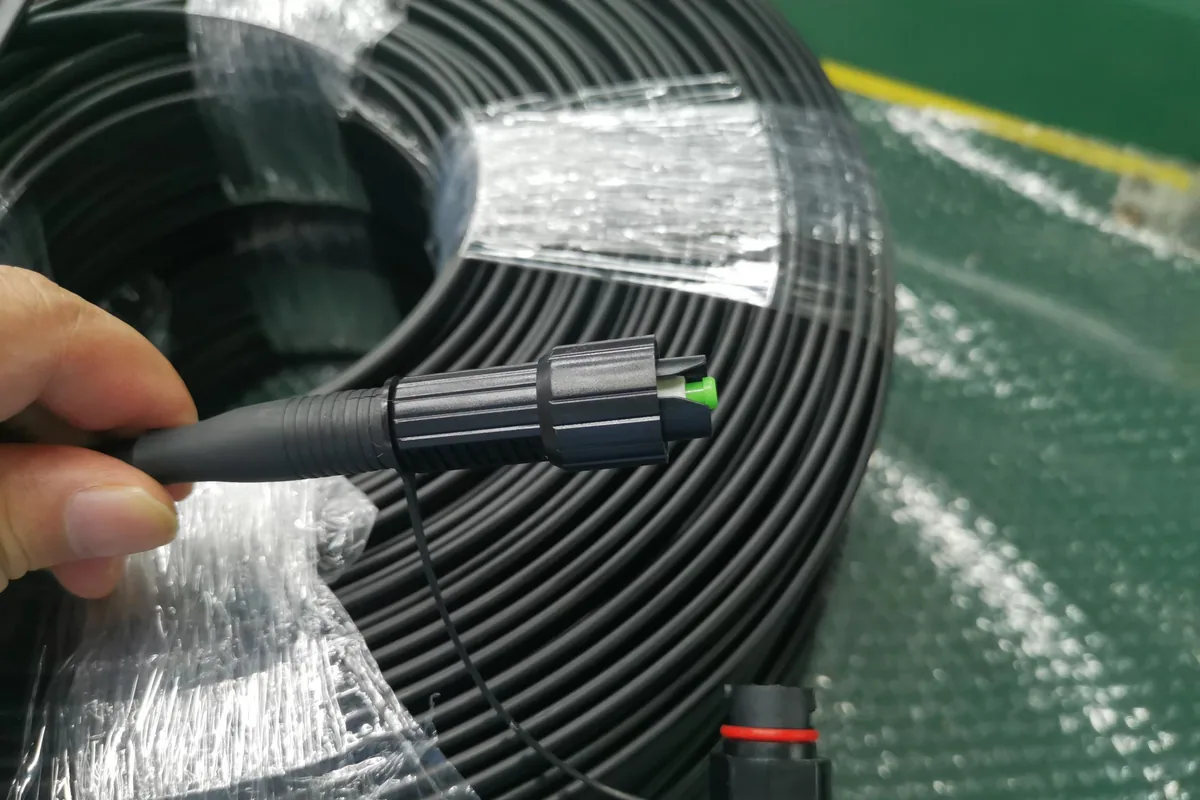
A connectorized end is larger and more vulnerable during pulling than bare cable. It may need a pulling cap, pulling sock or other protection specified for that assembly. Excess cable must also be stored without violating the cable’s minimum bend radius.
Why field termination is still useful
Field termination lets the technician pull compact cable first and cut it to the actual route. This is useful in older buildings, blocked or narrow ducts, restoration work and subscriber drops whose final ONT position changes during installation.
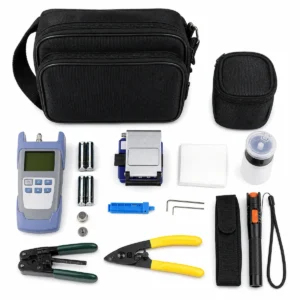
The trade-off is more work at the endpoint. A field-installable connector generally requires the technician to strip, clean, and cleave the fiber before assembling and checking the connector. Fusion splicing adds splice preparation, protection, and splice-management steps.
Our guide to fiber optic fast-connector installation explains the checks that help prevent avoidable loss.
Installation-time comparison
| Project factor | Pre-connectorized cable | Field termination |
|---|---|---|
| On-site work | Route, inspect, clean, connect and test | Route, prepare, terminate or splice, protect, inspect and test |
| Route-length changes | Limited after production | Easy to cut to the final length |
| Narrow ducts | Connector body may restrict pulling | Bare cable is easier to pull |
| Tools and skills | Fewer termination tools; correct handling still matters | Cleaver and connector tools or splicing equipment, plus trained technicians |
| Rework risk | Wrong length or interface can delay the job | Poor cleave, contamination or termination error can cause rework |
| Best fit | Surveyed and repeatable FTTH drops | Variable routes, repairs and uncertain final lengths |
There is no need to force one method across the entire network. Many practical FTTH builds use a hybrid approach: preconnected drops for standard homes and field termination for unusual routes or restoration work.
For cable-selection basics, see the FTTH drop cable types and RFQ guide. If the final connection uses a conventional patch cord, also confirm the points in our fiber optic patch cord selection guide.
What buyers should send with an RFQ
An accurate quotation needs more than a cable length. Send the following information:
- installation route and indoor or outdoor environment;
- cable type, fiber count and required lengths;
- connector at each end, including UPC or APC polish;
- terminal, distribution box or adapter interface;
- quantity for each length;
- packaging, labeling and test-document requirements;
- destination country and required delivery date.
Need to compare both installation methods?
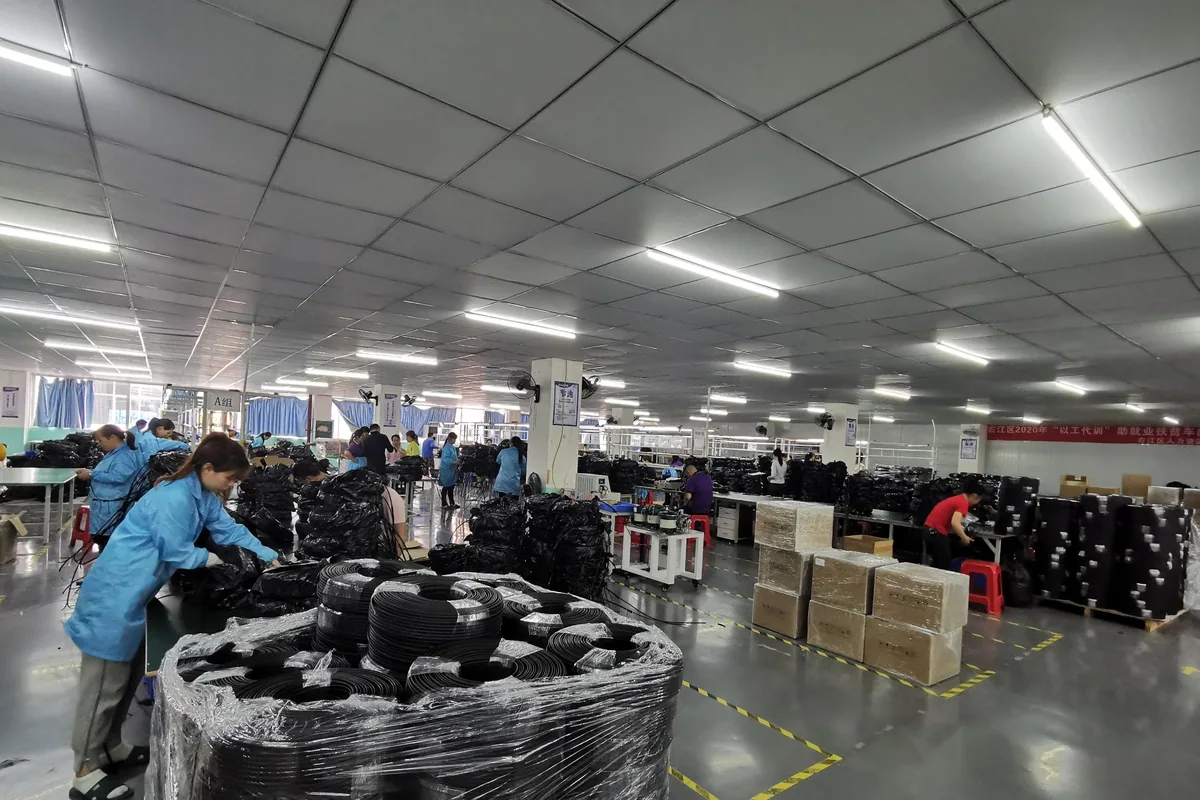
Send NetLast your route lengths, terminal interface, cable construction, connector type and project quantity. We can review whether a pre-connectorized assembly, field-termination option or mixed bill of materials better fits the installation plan.
FAQs
Does pre-connectorized cable eliminate all field work?
No. The installer still needs to route and secure the cable, protect bend radius, inspect and clean the interfaces, connect the correct ports and complete the required optical test.
Is a fast connector the same as a factory-terminated connector?
No. A fast connector is assembled on the fiber in the field. A factory-terminated connector is installed and checked before shipment as part of the cable assembly.
Which method is better for narrow conduit?
Field termination can be easier because bare cable is smaller to pull. A preconnected assembly may still work if the route and connector protection system are designed for that conduit.
Can a project use both methods?
Yes. A hybrid plan often uses standardized preconnected drops for routine installations and field termination for special lengths, repairs or difficult routes.
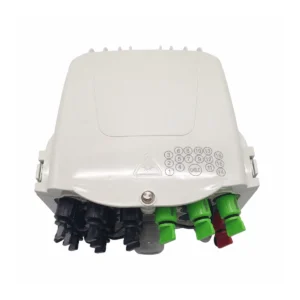
Related terminal selection guide: Pre-connectorized cable saves time only when its network interface is matched. Use our pre-connectorized fiber access terminal box guide to confirm the hardened connector family, port count, splitter plan and input topology.