MTP vs MPO: What Is the Real Difference When Ordering Fiber Cables?
The short answer is simple: MPO is the standardized multi-fiber connector interface, while MTP® is a proprietary connector brand that uses the MPO interface.
For a buyer, this does not mean that every MTP cable will work and every generic MPO cable will not. The bigger ordering risks are usually the wrong fiber count, gender, polarity, endface, breakout length or test requirement.
Practical answer: if your project specifically requires the MTP® brand, state that on the purchase order. If a standards-compliant MPO interface is acceptable, define the mechanical and optical requirements instead of relying on the connector name alone.
MPO is the interface family; MTP is a branded MPO connector
MPO means multi-fiber push-on. The IEC 61754-7 series defines interface dimensions for the MPO connector family, including different ferrule layouts.
MTP® uses the standardized MPO interface and is designed to mate with standards-compliant MPO connectors. Brand-specific mechanical and performance features can vary by connector generation and model, so buyers should confirm the exact specification rather than relying on the name alone.
This is why “MTP versus MPO” is not quite the same comparison as LC versus SC. LC and SC are different connector formats. MTP is one branded implementation within the MPO format.
Can an MTP connector mate with an MPO connector?
Mechanically, a standards-compliant MTP connector is intermateable with a standards-compliant MPO connector. But mechanical fit alone does not prove that the cable is correct for the link.
The mating pair still needs:
- matching ferrule and fiber-count geometry;
- one pinned connector and one unpinned connector;
- compatible key orientation and polarity;
- the correct fiber type and endface;
- acceptable insertion loss and return loss.
A cable can click into place and still route transmit fibers to the wrong receive fibers. That is why MPO polarity Method A, B and C must be confirmed separately from the connector brand.
What actually changes on a purchase order?
The word “MTP” mainly tells the supplier which connector brand is required. It does not replace the rest of the cable specification.
| Order item | What to state | Why it matters |
|---|---|---|
| Connector brand | MTP® required, or standards-compliant MPO accepted | Prevents a brand assumption |
| Fiber count | 8F, 12F, 16F, 24F or the equipment requirement | Different ferrules are not automatically interchangeable |
| Gender | Pinned/male or unpinned/female at each end | Two pinned ends clash; two unpinned ends lack guide pins |
| Polarity | Method A, B, C or a channel map | Controls the transmit-to-receive path |
| Fiber | OS2, OM3, OM4, OM5 and required cable construction | Must match the optics and link design |
| Endface | Flat PC or APC, as required | Mixed endfaces should not be mated |
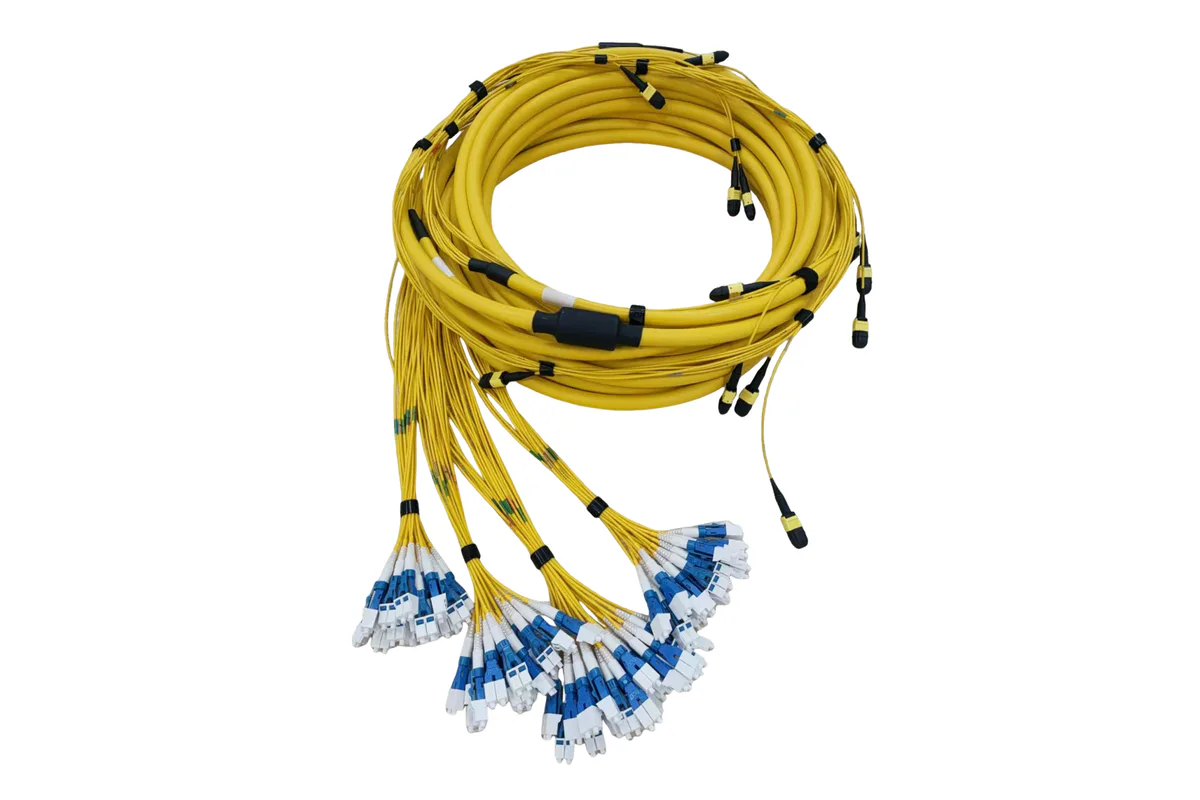
| Cable ends | MPO–MPO, MPO–LC, MPO–SC or another breakout | Defines how the assembly connects to equipment |
| Performance | Standard-loss or defined low-loss limit | The name alone does not guarantee the link budget |
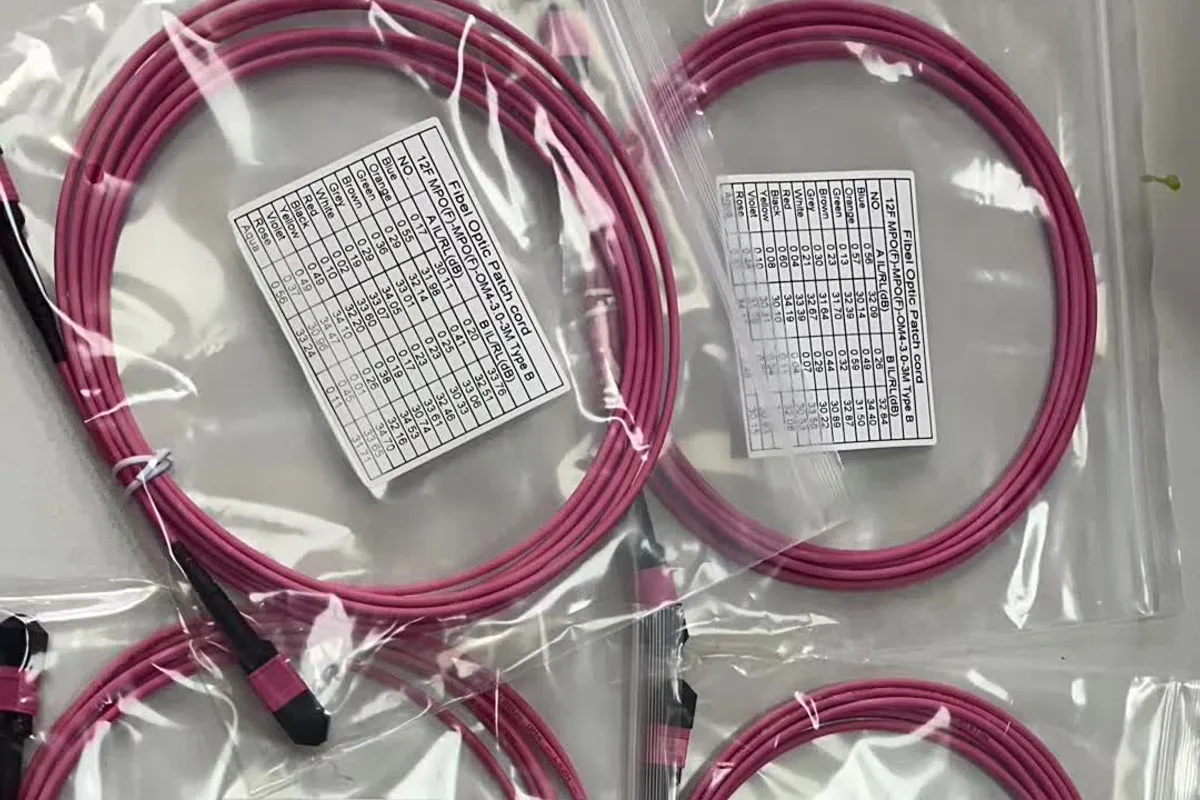
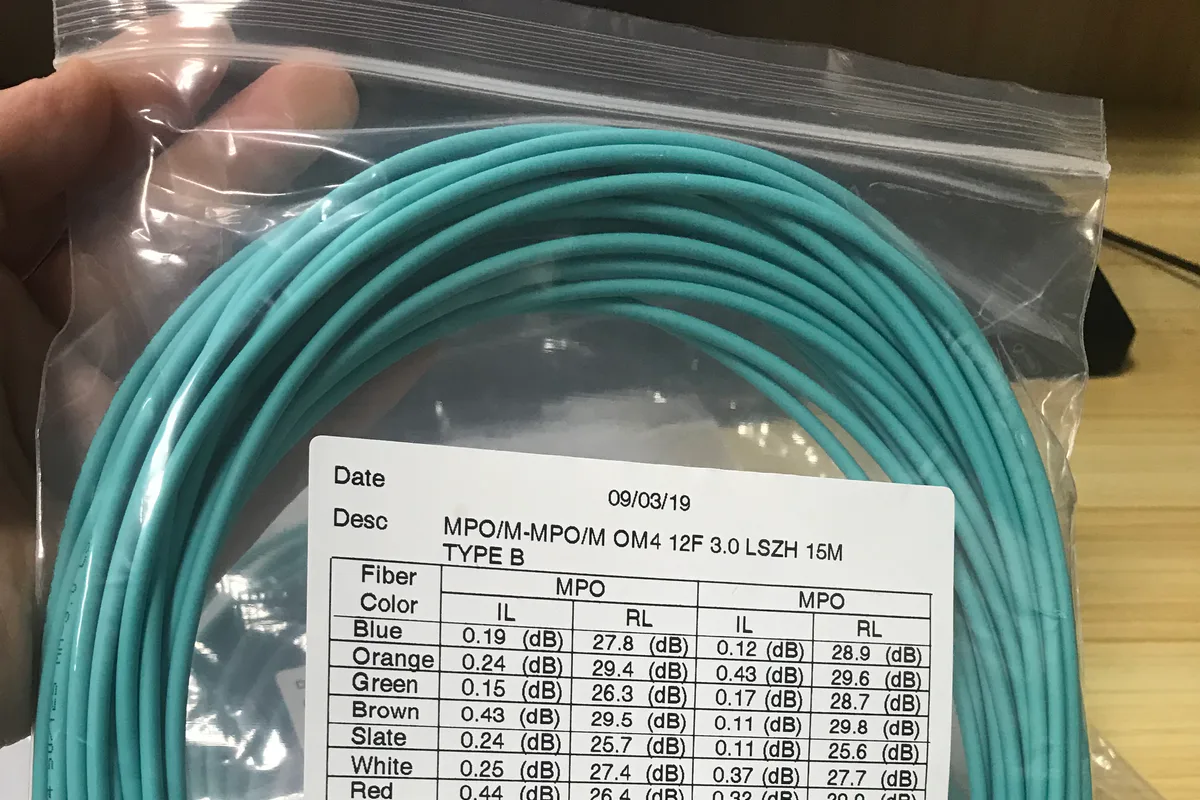
| Test documents | Per-channel IL/RL, polarity and length records | Makes incoming inspection easier |
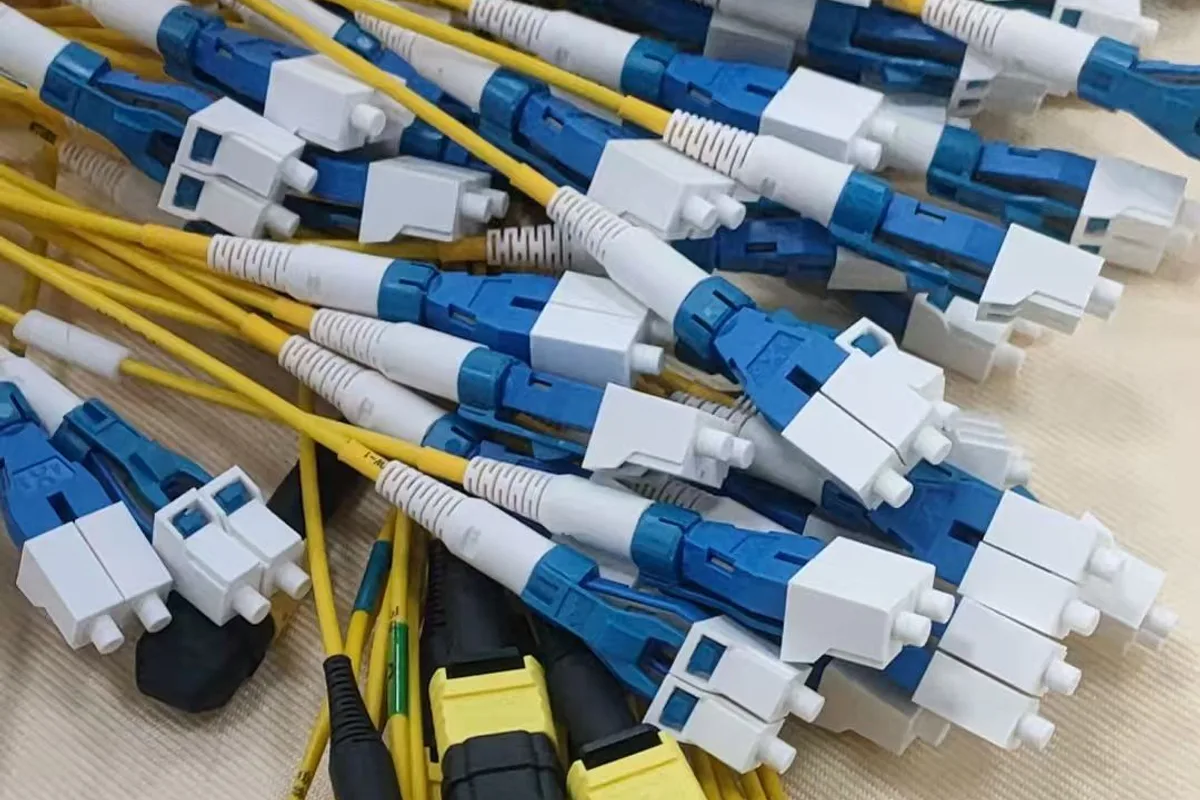
If the order is an MPO-to-LC harness, also specify breakout length, leg identification, LC polish, duplexing and the channel sequence. For a trunk cable, state pull-eye requirements, outer diameter, jacket rating and installation length.

Where MTP may offer a practical advantage
MTP connectors can be useful when a project specification names the brand, an approved-vendor list requires it, or the design needs a particular performance or field-configurable feature. In those cases, a standards-compliant generic MPO connector is not a substitute unless the customer approves it.
A standards-compliant MPO assembly can still be the correct commercial choice when the project does not require a specific brand. The supplier should identify the actual connector, confirm standards compliance and provide the agreed test results.
The safe comparison is therefore not “MTP is good and MPO is bad.” It is:
- Does the connector meet the required interface?
- Does the complete assembly match the channel design?
- Does measured performance meet the project limit?
- Is the connector brand mandatory or optional?
Common mistakes buyers can avoid
Writing only “MTP/MPO cable.” This leaves fiber count, gender, polarity and performance open to interpretation.
Confusing gender with polarity. Pinned or unpinned describes guide-pin hardware. Method A, B or C describes fiber routing. They are related in a link design but are not the same field.
Assuming jacket color is enough. Aqua, magenta, yellow and lime jackets are useful identifiers, but the printed fiber specification and test record should control acceptance.
Accepting one total loss number. Multi-fiber assemblies should be traceable by channel. Our MPO/MTP cable testing checklist covers inspection, polarity, insertion loss and documentation.
A short RFQ checklist
Send the supplier:
- connector brand requirement at both ends;
- connector type, fiber count, gender and key orientation;
- polarity method or complete channel map;
- OS2, OM3, OM4 or OM5 fiber;
- cable length, jacket material and installation environment;
- breakout connector, leg length and numbering;
- maximum insertion loss and minimum return loss;
- required test report, labels, packaging and quantity.
If you are comparing several patch-cord formats, use our fiber optic patch cord selection guide before finalizing the bill of materials.
Need an MPO or MTP cable quotation?
Send NetLast your equipment ports, fiber count, polarity, gender, cable length and test limits. We can check the channel map and prepare an MPO–MPO trunk or MPO breakout assembly for your project.
FAQs
Is MTP better than MPO?
MTP is a branded high-performance MPO connector with proprietary features. Whether it is the better purchase depends on the approved brand, loss budget, configuration and project requirements. Compare the complete assembly specification and test results.
Are MTP and MPO adapters different?
Standards-compliant MTP and MPO connectors use the MPO interface and can use compatible MPO adapters. The adapter does not correct a wrong gender, key orientation, ferrule layout or polarity plan.
Can I replace an MTP cable with an MPO cable?
Only after confirming that the replacement matches the interface, fiber count, pinned or unpinned configuration, polarity, fiber type, endface and optical-performance requirement. A project that explicitly names the MTP brand also needs customer approval before substitution.
What is the most important information on an MPO cable order?
There is no single field. Fiber count, gender, polarity and endface must work together. For purchasing, a clear channel map and per-channel test report prevent more mistakes than the connector name alone.
Sources
- IEC 61754-7-1: Type MPO connector family
- IEC TR 61282-15: Testing cable plant terminated with MPO connectors
Also confirm the fiber medium: MPO/MTP assemblies must match the optical interface. Review single-mode vs multimode fiber before finalizing the fiber category and transceivers.