Indoor vs Outdoor Fiber Optic Cable: 7 Differences Buyers Should Check
A black jacket is a useful clue, but it is not a cable specification. When buyers compare indoor vs outdoor fiber optic cable, the real questions are where the cable will run, which rating must appear on the jacket, and what environmental or mechanical loads it must survive.
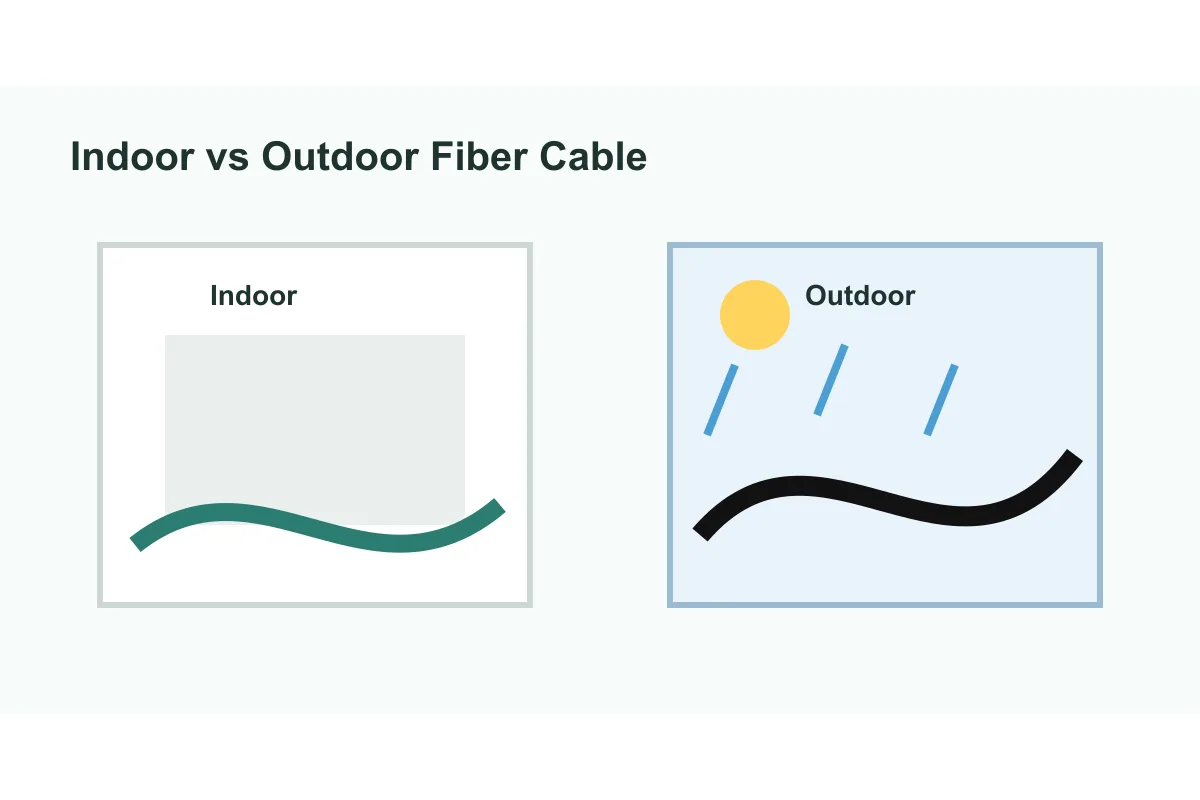
Indoor cable is selected mainly for building fire and smoke requirements. Outdoor cable is built around moisture, sunlight and installation loads. Indoor/outdoor cable combines both only when the exact product is marked for both environments.
Quick comparison
| Check | Indoor cable | Outdoor cable | Indoor/outdoor cable |
|---|---|---|---|
| Main concern | Building fire and smoke performance | Weather and installation exposure | One route across both environments |
| Jacket | Flame-rated construction selected for the space | Commonly a moisture- and sunlight-resistant PE jacket | Flame-rated jacket plus outdoor protection |
| Water blocking | Product-dependent; often limited | Gel or dry water-blocking materials are common | Must be confirmed on the datasheet |
| Mechanical design | Flexible routing and easier access | Pulling, crush, aerial, duct or burial requirements | Depends on the stated route rating |
| Best buying document | Building rating and cable datasheet | Route drawing and mechanical datasheet | Evidence for both indoor and outdoor use |
1. The jacket marking matters more than the jacket colour
Indoor cable must carry the rating required for its building space. The marking varies by country and route; a general room, riser and air-handling space can have different rules. Outdoor cable commonly uses a black polyethylene jacket, but black colour alone does not prove suitability for duct, aerial or direct-burial work. Read the marking and datasheet.
2. Outdoor routes need a water-management plan
Water can enter a duct, handhole or damaged cable even when the route was intended to stay dry. Outdoor fiber cable therefore commonly uses gel, water-swellable yarn, tape or powder to limit water movement inside the cable.
Indoor cable does not automatically include the same protection. If the route enters a wet conduit, exterior wall or underground section, state that condition in the RFQ.
3. UV resistance is not optional in exposed sections
Even a few metres on a façade or rooftop can receive years of sun and weather. Use a cable rated for that exposure.
Conversely, do not assume a standard outdoor PE cable can continue through occupied building spaces. Its outdoor jacket may not have the necessary indoor flame rating. Local code and the actual cable marking decide—not the route length alone.
4. Mechanical protection must match the installation method
“Outdoor” covers several very different jobs. Duct cable may need pulling strength and water blocking. Aerial cable must match the span, sag method and attachment hardware. Direct-burial routes may require armor, crush resistance or rodent protection.
Indoor cable usually prioritizes manageable diameter and flexibility in trays, risers and cabinets. Armored indoor designs also exist, so armor alone does not prove outdoor suitability.
5. Cable construction affects termination work
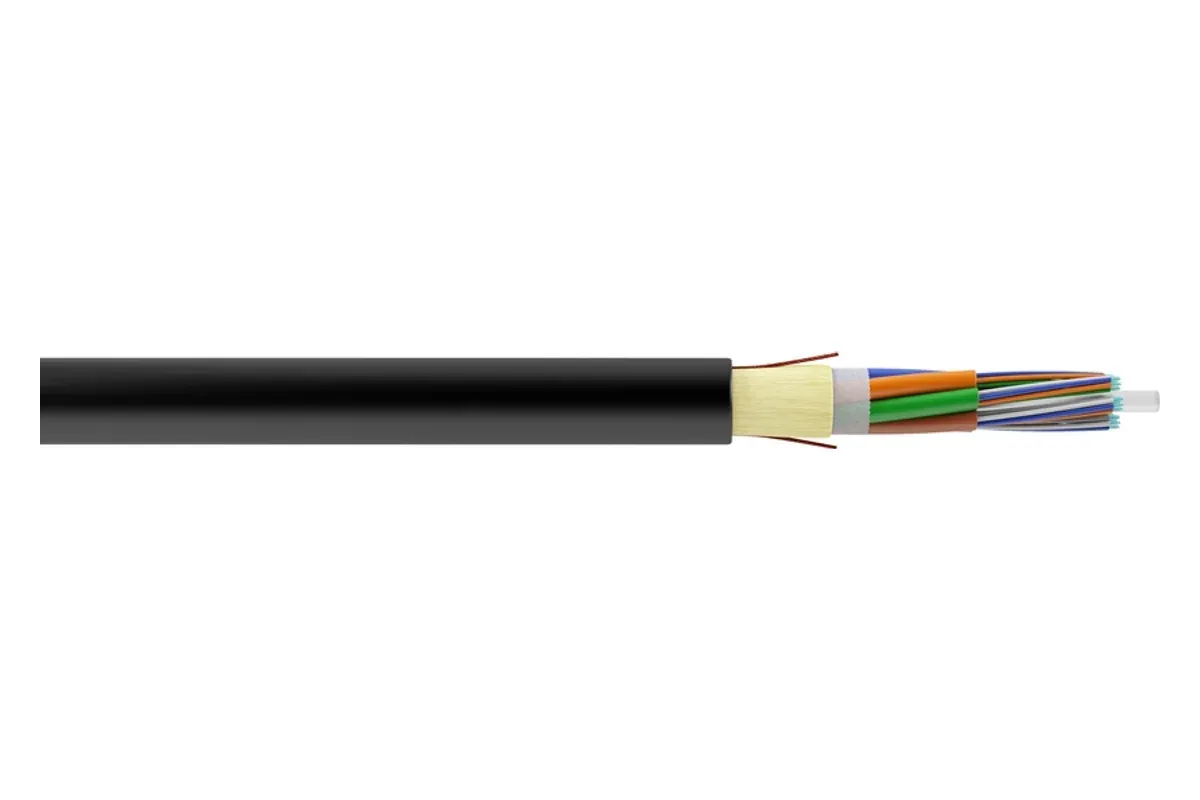
Loose-tube designs are common in outside plant because the fibers can be isolated from environmental and mechanical stress. Tight-buffered constructions are common indoors because individual fibers can be routed and terminated conveniently. These are useful patterns, not universal rules.
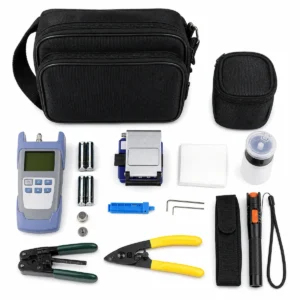
Before ordering, confirm the splice or termination method, fan-out needs, closure space and preparation tools.
6. Plan the building-entry transition before ordering
A route that starts outdoors and ends in an equipment room needs a deliberate transition. There are three common approaches:
- choose a cable specifically rated for both indoor and outdoor use;
- splice to an indoor-rated cable near the building entrance;
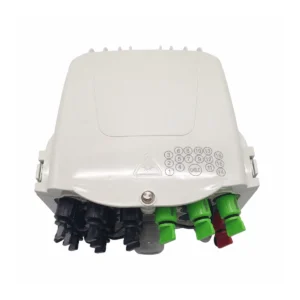
- use a transition or distribution box at the agreed handover point.
Indoor/outdoor cable can remove a splice or cross-connect, but it is not automatically the best choice. Compare conduit space, fiber count, termination method, local code and installation labour.
7. Send route details, not only a cable name
The fastest way to receive a useful quotation is to describe the full route. Include:
- indoor, outdoor, duct, aerial, buried and façade sections;
- fiber count and approved fiber category;
- required jacket marking or project standard;
- cable structure, armor and water-blocking preference;
- pulling distance, aerial span and planned hardware where applicable;
- drum length, cable printing, labels and packing;
- required datasheet, test report and pre-shipment inspection records.
If the route is still being designed, send a drawing and mark uncertain fields “to be confirmed.” That is safer than letting a supplier guess.
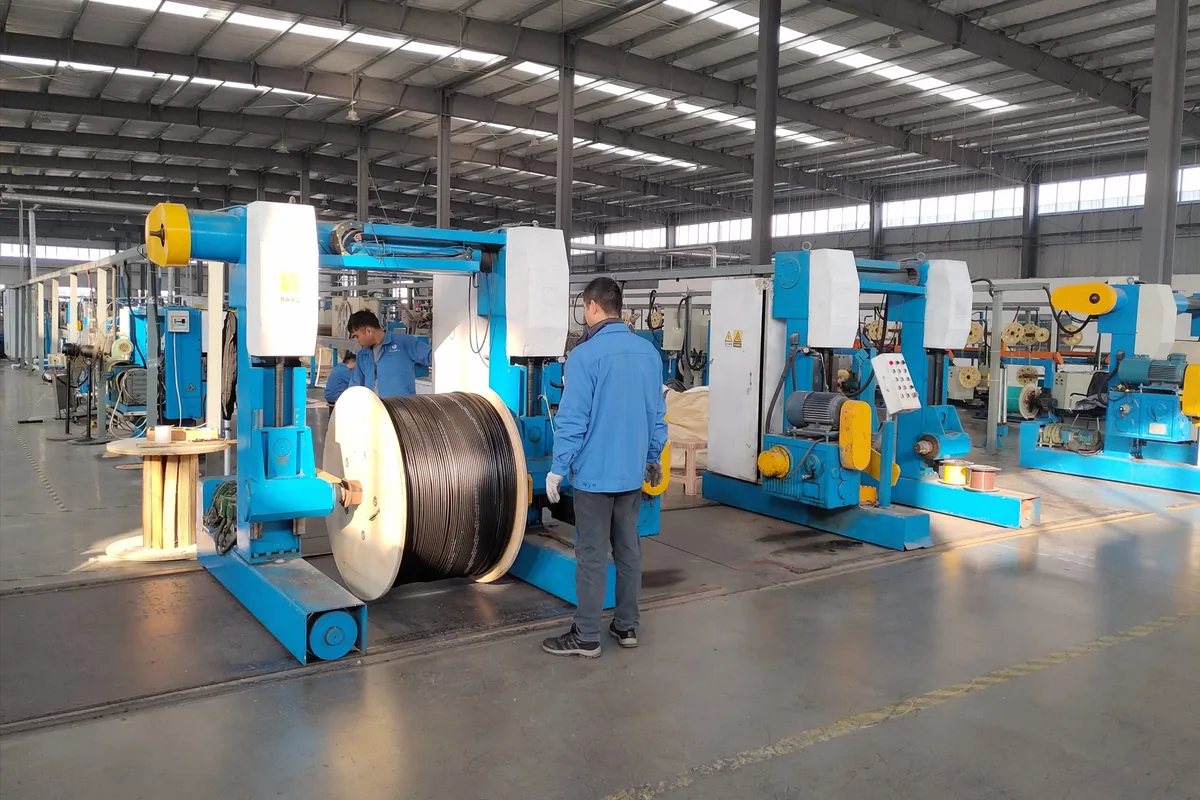
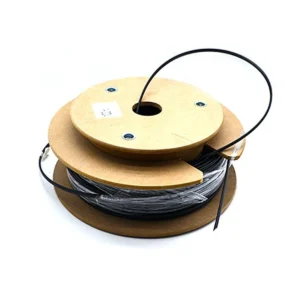
The production photo shows cable manufacturing activity, but it does not replace an approved construction drawing, cable marking and batch inspection documents.
A simple buying rule
Choose cable from the route outward: environment first, local rating second, mechanical design third, and fiber specification after that. Do not reverse the order by selecting a familiar cable model and trying to make the route fit it.
NetLast’s Fiber Optic Cable category can be used as a starting point. For related route decisions, see What Is FTTH Drop Cable? and ADSS Cable vs Figure 8 Cable.
FAQs
Can indoor fiber optic cable be installed outdoors in conduit?
Not unless the exact cable is rated for the conditions in that conduit. Outdoor ducts can contain water and experience temperature changes, so an indoor-only jacket and cable core may be unsuitable.
Can outdoor cable be used inside a building?
Only where the cable’s listed rating and local rules allow it. A standard outdoor PE jacket should not be assumed to meet the fire and smoke requirements of occupied building spaces.
Is indoor/outdoor cable always the easiest option?
It can simplify a continuous route and remove a transition splice, but the installer still needs to check diameter, bend radius, termination method, fiber count, water blocking and the required indoor rating.
What should I send for a cable quotation?
Send the route drawing, fiber count and type, installation method, jacket/rating requirement, mechanical needs, length, quantity, drum plan, destination and required test documents.
Need help matching cable to the route?
Send NetLast your route drawing, indoor and outdoor sections, duct or aerial details, fiber count, required cable marking, drum length, quantity, destination country and inspection requirements. We can review the specification and prepare a matching cable quotation.
Sources
- The Fiber Optic Association: Fiber Optic Cables
- The Fiber Optic Association: Outside Plant Fiber Optic Cables
Planning a route with rodent exposure? Compare five rodent-resistant fiber optic cable protection methods before confirming the outdoor cable construction.