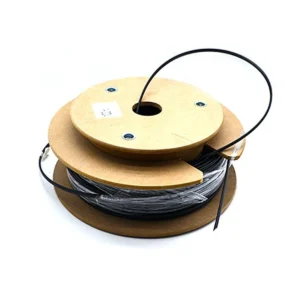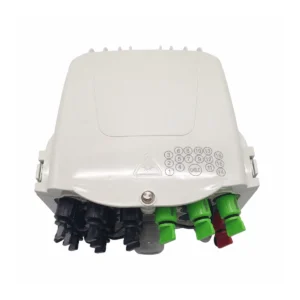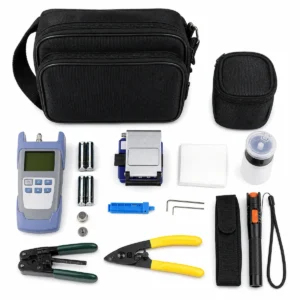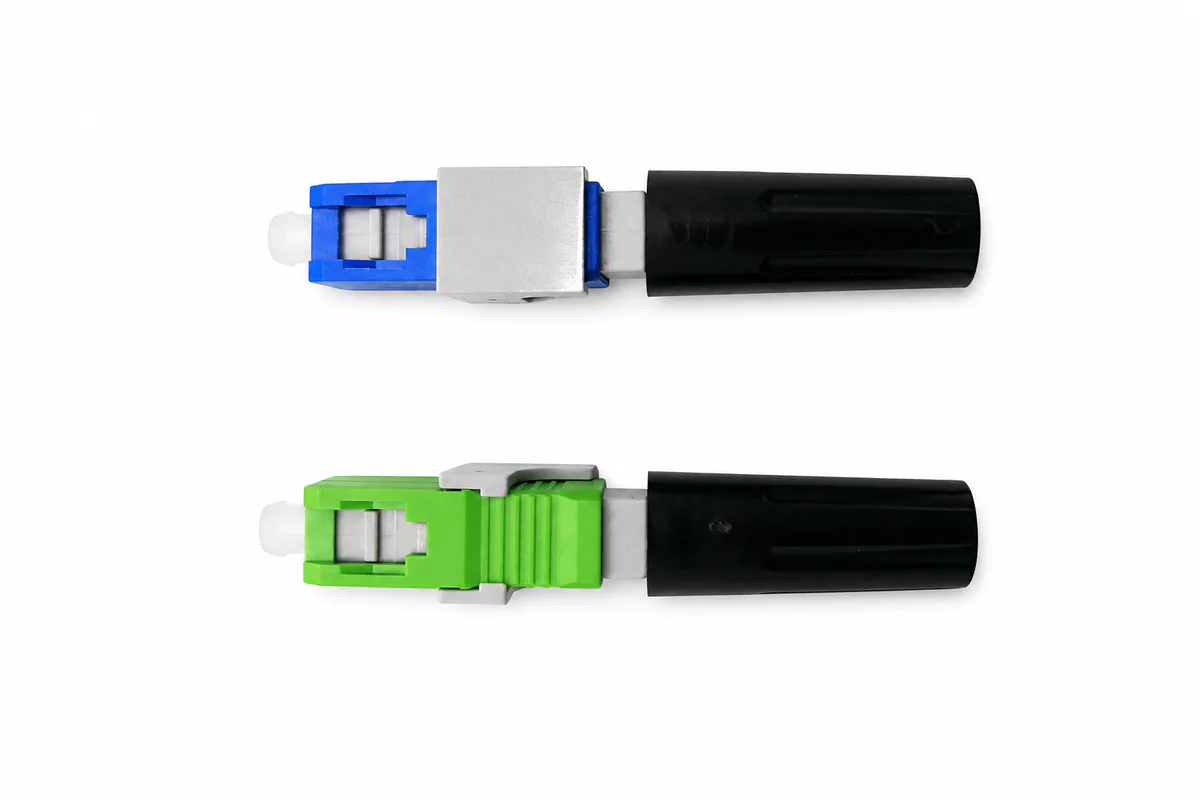
A fiber optic fast connector is a field-installable connector used to terminate a prepared optical fiber without taking a fusion splicer to the installation point. It is commonly chosen for FTTH subscriber connections, repairs and other jobs where technicians need a practical on-site termination.
Many designs use a factory-polished ferrule, a short internal fiber stub and a mechanical alignment structure. The installer prepares and cleaves the field fiber, inserts it into the connector and locks it in place. The exact steps, cable dimensions and tools depend on the connector model.
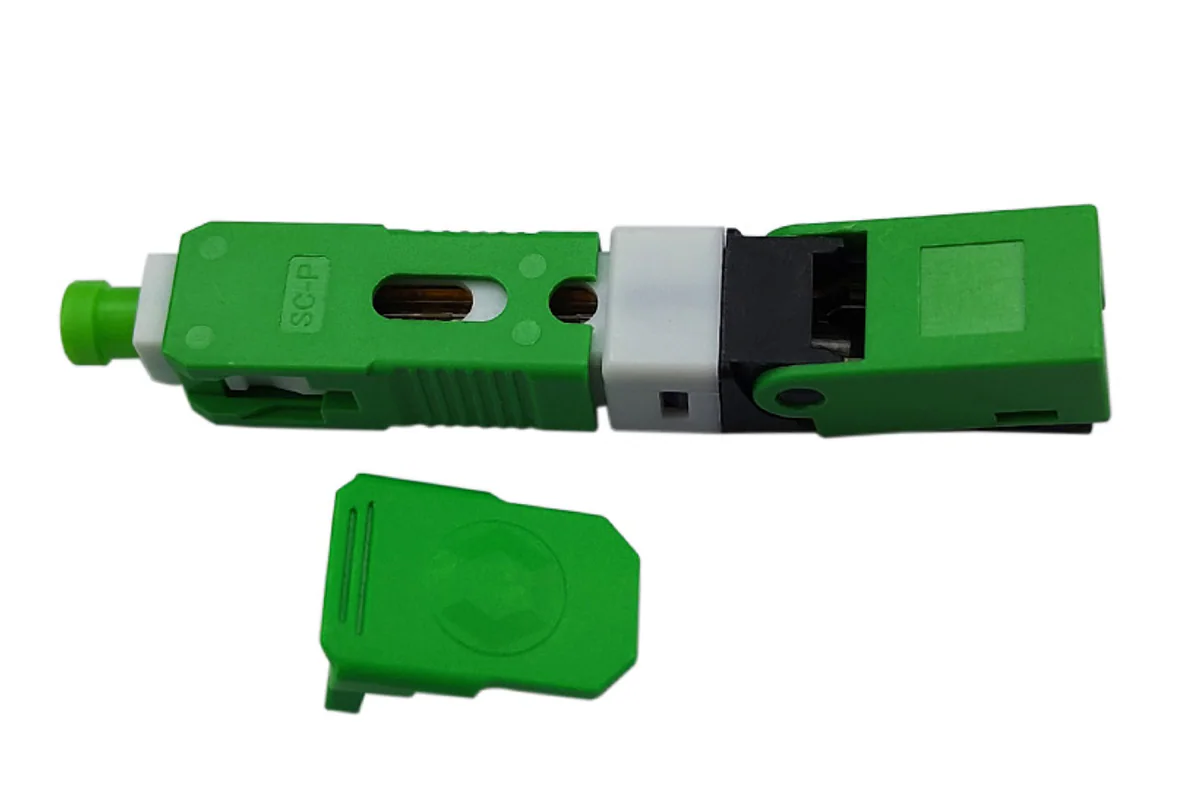
How does a fiber optic fast connector work?
The basic process is straightforward:
- Strip the cable and expose the fiber according to the connector instructions.
- Clean the fiber carefully.
- Cleave it to the specified length.
- Insert the fiber fully into the connector.
- Lock the mechanical structure and test the finished connection.
This avoids field epoxy curing and hand polishing. It does not remove the need for accurate preparation, however. A poor cleave, contamination or incomplete fiber insertion can still create high loss. Our related guide explains seven installation checks that help prevent high-loss fast connector terminations.
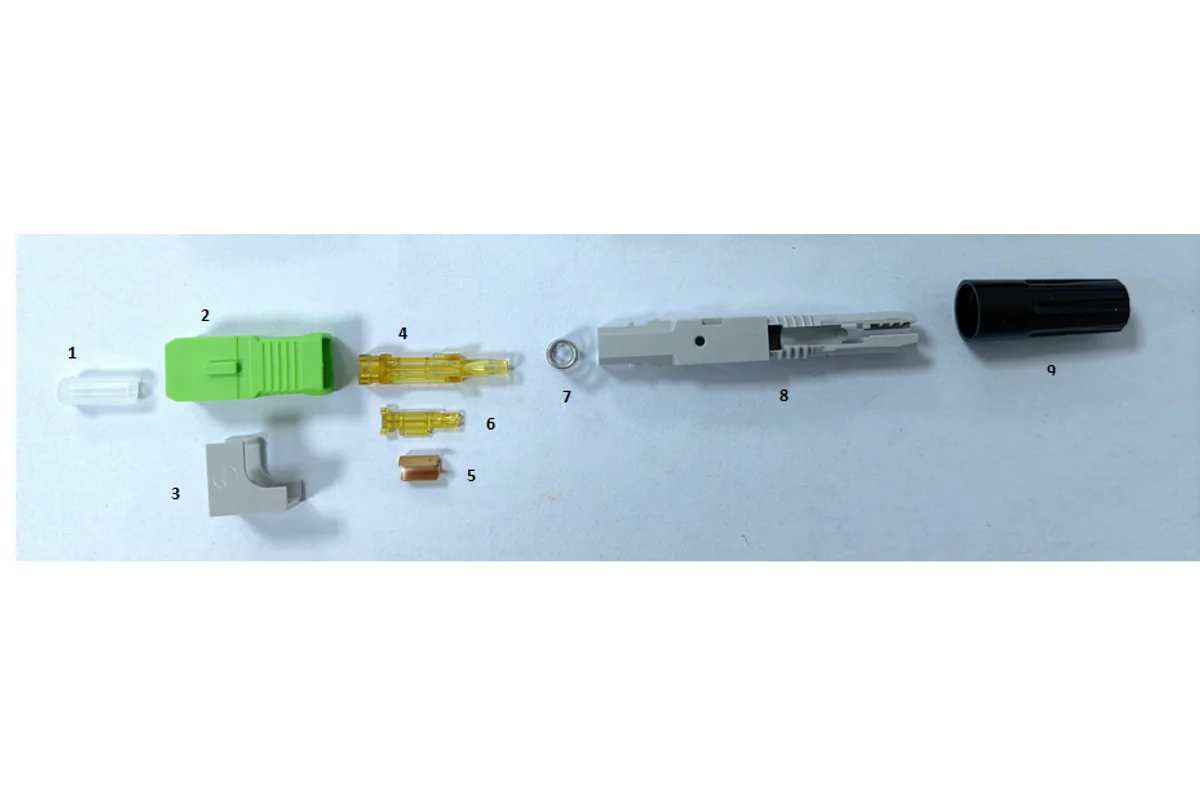
Where are fast connectors used?
FTTH subscriber termination
Fast connectors are widely used at the last part of an FTTH link. Depending on the network design and connector model, they may be installed in a fiber distribution box, wall outlet, terminal point or near the subscriber equipment.
Maintenance and emergency repair
When a connector is damaged or an existing drop needs to be re-terminated, a field-installable connector can help a technician restore the link without setting up a fusion splicer. It is useful for service calls, small repair jobs and locations where working space is limited.
Distribution boxes and patch panels
Some field-installable connectors are used in distribution boxes, patch panels and other termination points. The connector, adapter, cable construction and available routing space must match.
Premises and direct equipment termination
Field-installable connectors are also used in premises networks, workstation connections, equipment termination and test leads. The application should always be checked against the exact product instructions rather than assumed from the connector shape alone.
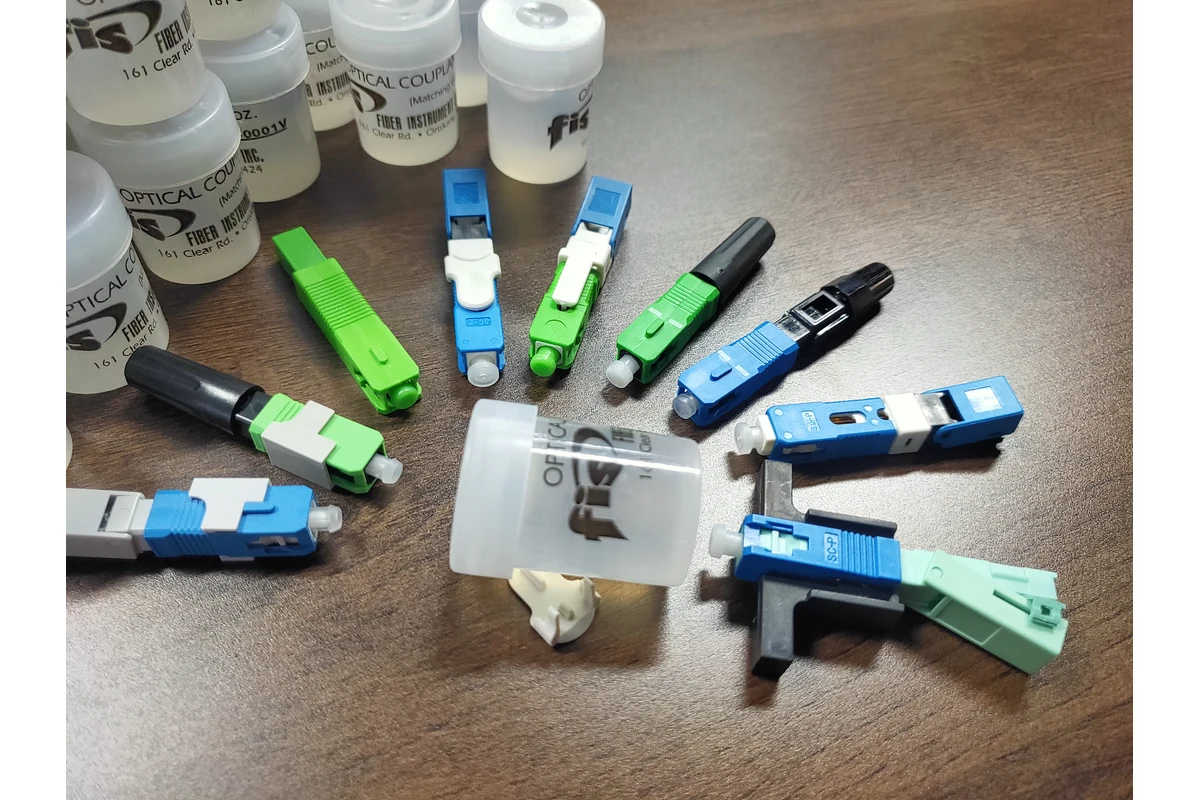
When is a fast connector a sensible choice?
A fast connector is often practical when the project needs:
- on-site termination without fusion-splicing equipment;
- quick repair of individual subscriber drops;
- a simple field solution for small installation teams;
- flexible cable lengths prepared during installation;
- a replaceable termination at an accessible point.
For large-volume work, exposed outdoor locations or links with strict loss targets, the project engineer should compare field connectors with fusion splicing or factory-preterminated assemblies. Installation speed is only one part of the decision; repeatability, enclosure protection, technician skill and testing also matter.
What should buyers confirm before ordering?
Two fast connectors that look similar may not fit the same cable. Before requesting a quotation, confirm:
- connector interface, such as SC or LC;
- APC or UPC polish;
- single-mode or multimode fiber;
- cable type and exact cable dimensions;
- fiber coating or buffer size required by the model;
- pre-embedded or straight-through construction, if relevant;
- required installation tools;
- test and packaging requirements;
- order quantity and delivery country.
For example, the NetLast NL-SCAPC/600A 60 mm SC/APC fast connector is one specific field-assembly model. Its specification should not be applied automatically to every fast connector. Buyers should match the connector to the actual drop cable and equipment interface before ordering. If the polish is still undecided, see our practical comparison of SC/APC and SC/UPC connectors.
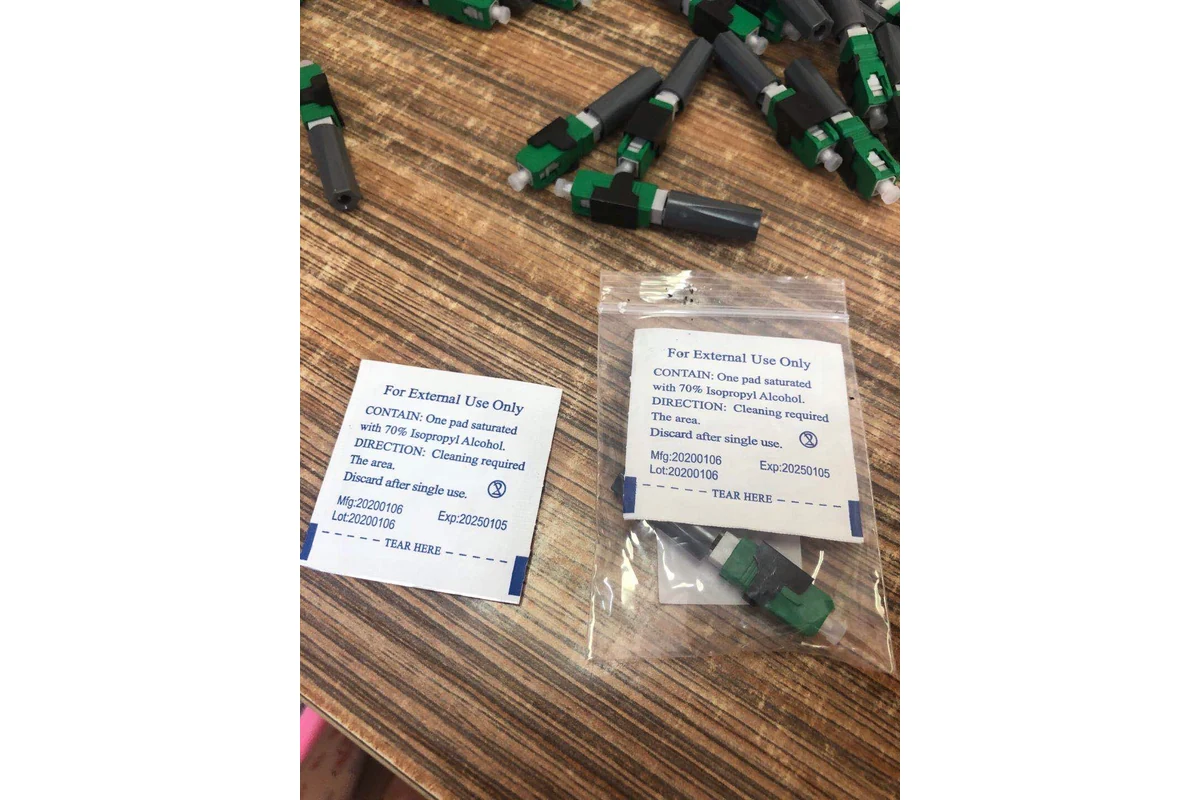
A practical buying point
The connector is inexpensive compared with the total cost of a service visit, but an incorrect configuration can waste far more time than it saves. Send the cable cross-section or dimensions with your inquiry, especially when the project uses flat drop cable or a non-standard jacket.
NetLast can help confirm a suitable fast-connector configuration and related FTTH products. Send us the connector interface, APC/UPC requirement, cable type and dimensions, quantity, packaging needs and destination for a quotation or sample discussion.
Frequently asked questions
Does a fiber optic fast connector need a fusion splicer?
Mechanical field-installable fast connectors are designed to be installed without a fusion splicer. The technician still needs the correct stripping, cleaning and cleaving tools.
Can a fast connector be reused?
That depends on the internal structure and the manufacturer’s instructions. Some products allow the fiber to be reseated before final locking, while others should be replaced after an unsuccessful termination. Confirm the rule for the exact model.
Can SC/APC and SC/UPC fast connectors be mixed?
They should not be treated as interchangeable. APC and UPC use different end-face geometries and must match the corresponding adapter and equipment interface.
Can a fast connector be installed outdoors?
Only when the connector and its enclosure are suitable for the environment. The connector itself should not be assumed to provide weather sealing. Confirm the distribution box, cable entry and environmental protection requirements.
Need a fast connector matched to your FTTH drop cable?
Send NetLast the connector interface, APC or UPC polish, cable construction and dimensions, order quantity, packaging request and delivery country. We can review the configuration before quotation.