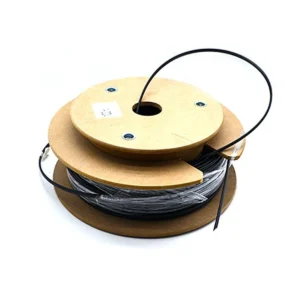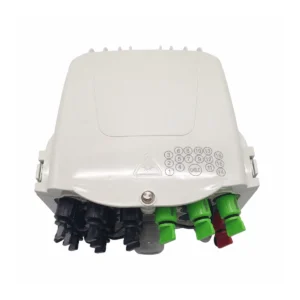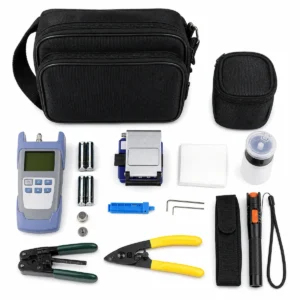
For most network projects, the choice is not simply “fiber is better” or “copper is cheaper.” Fiber is usually the stronger option for long distances, high-capacity backbones, outdoor links and electrically noisy environments. Copper remains practical for short indoor links and devices that need Power over Ethernet (PoE).
The right decision depends on distance, data rate, power, environment, equipment interfaces and the cost of the whole link—not only the cable price.
Fiber optic cable vs copper cable: quick comparison
| Project factor | Fiber optic cable | Copper Ethernet cable |
|---|---|---|
| Distance | Better for long runs; actual reach depends on the fiber, transceivers and link budget. | Many conventional balanced-copper Ethernet channels are designed around a 100 m maximum channel. |
| Bandwidth and upgrades | Strong choice for backbone capacity and future upgrades. | Practical for many access links, but category and distance must match the required speed. |
| EMI | Optical fiber is not affected by electromagnetic interference. | May require separation, shielding and grounding in noisy environments. |
| Power | Carries data, not electrical power. | Can carry data and PoE on one cable. |
| Typical role | Campus backbone, FTTH, data centre interconnects, outdoor and industrial links. | Desks, IP phones, Wi-Fi access points, cameras and other short PoE links. |
When fiber optic cable is the better fit
Choose fiber when a route is long, the link crosses between buildings, the pathway is close to motors or power equipment, or the network must support future capacity without repeatedly replacing the cabling.
Fiber carries light rather than electrical current, so it is immune to EMI. That makes it useful in factories, substations, rail environments and other locations where copper links may need extra protection. Fiber cables can also provide high fiber counts in a relatively compact pathway.
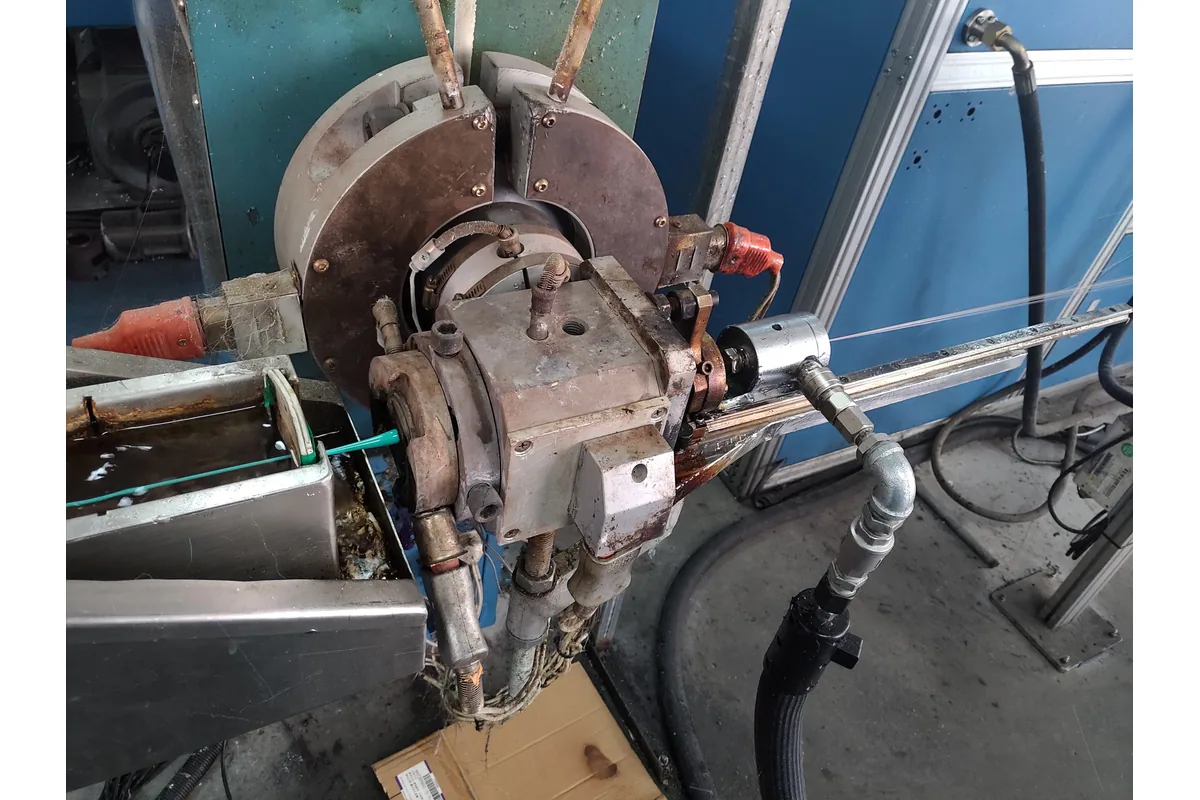
Do not choose the cable before confirming the optical interface. Single-mode or multimode fiber, connector type, wavelength, transceiver and allowable link loss must work as one system.
When copper is still the practical choice
Copper remains a sensible choice for short horizontal links inside an office, shop or equipment room—especially when existing switches use RJ45 ports.
Its biggest practical advantage is PoE. A compatible copper Ethernet link can carry data and DC power to an IP phone, wireless access point, security camera or other powered device. A fiber link needs a separate power source or a composite solution at the endpoint.
Copper can also reduce first-stage complexity for small networks that already have trained installers, test equipment and spare switch ports. However, check the cable category, channel length, bundle temperature, shielding and local installation requirements before ordering.
A hybrid design is often the most economical
Many good networks use both media:
- fiber for the backbone, building-to-building or long outdoor route;
- copper for the final short connection to powered devices;
- composite fiber-and-copper cable where a project needs optical data and electrical conductors in the same route.
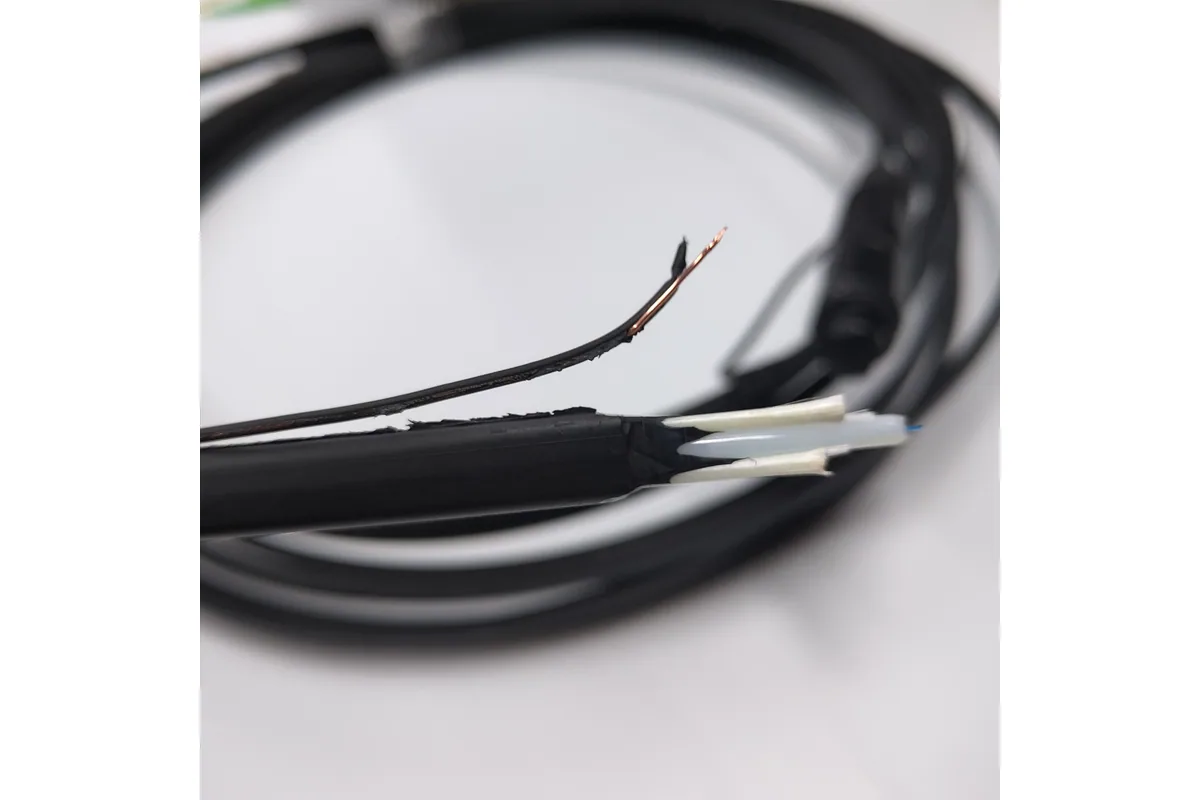
This avoids forcing one cable type into every part of the network. It also moves the cost discussion from “price per metre” to the total installed link: cable, pathway, active equipment, power, termination, testing, maintenance and possible future upgrades.
Six details to confirm before requesting a quotation
- Route length and whether it is indoor, outdoor, aerial, duct or direct-buried.
- Required data rate and network equipment interfaces.
- Whether the endpoint needs PoE or another power source.
- Environmental risks, including EMI, moisture, UV exposure and mechanical load.
- Required cable construction, fiber count, connector type and fire rating.
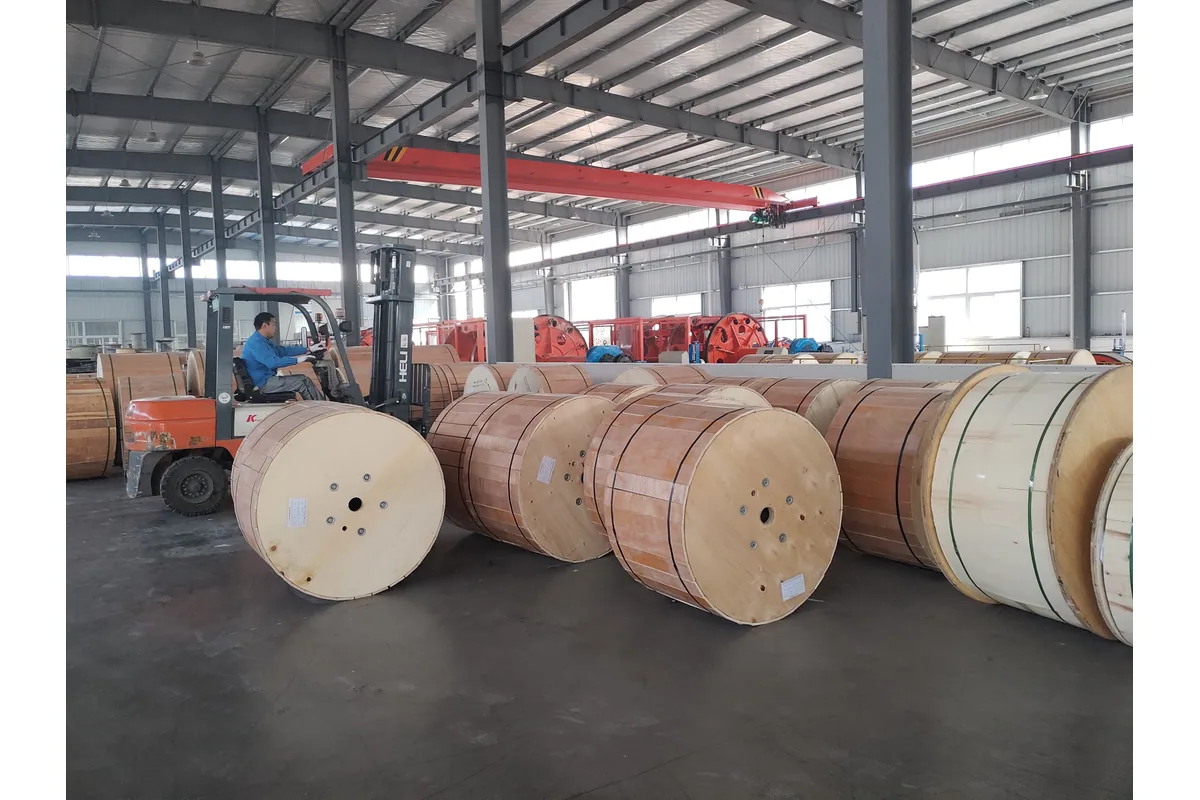
- Quantity, drum length, destination country and project schedule.
If the route is outdoor, also review the selection points in Indoor vs Outdoor Fiber Optic Cable and the civil-work considerations in How Deep Should Fiber Optic Cable Be Buried?
The practical answer
Use fiber for distance, backbone capacity, electrical isolation and difficult environments. Use copper for short, familiar and PoE-powered access links. For many campuses, FTTH projects, factories and commercial buildings, a planned combination of both gives the best balance.
NetLast can review your route length, bandwidth, equipment interfaces, power needs and installation environment, then help organize a suitable fiber-optic cable configuration and related project materials.
Need help choosing cable for your network route?
Send NetLast the distance, bandwidth, equipment interfaces, power requirement, installation environment, quantity and destination country. We can review the specification before quotation.
Technical references
- Corning: The Fiber Advantage
- Cisco: What Is Power over Ethernet?
- Cisco: Converged Plantwide Ethernet Physical Infrastructure Guide
- The Fiber Optic Association: Copper or Fiber?
Related fiber selection: After choosing fiber over copper, use our single-mode vs multimode fiber comparison to match distance, optics, and the upgrade plan.